
Ionisers – a brief explanation
Where are ionisers used?
Ionisers are used in many electronic manufacturing processes to specifically neutralise electrostatic charges and prevent disruptions to the production process.
They are particularly important in the semiconductor industry, where even the smallest discharges can damage sensitive components.
In the packaging industry , they also prevent plastic films from sticking together.
More webinars on other topics can be found at here.

WEBINAR: Ionization in ESD areas
Webinar in GERMAN language:
Wozu brauche ich Ionisatoren, was bewirken Sie und wie werden sie überprüft?
Termin: 11.06.2026, 10:00 Uhr
Dauer: ca. 45 Minuten


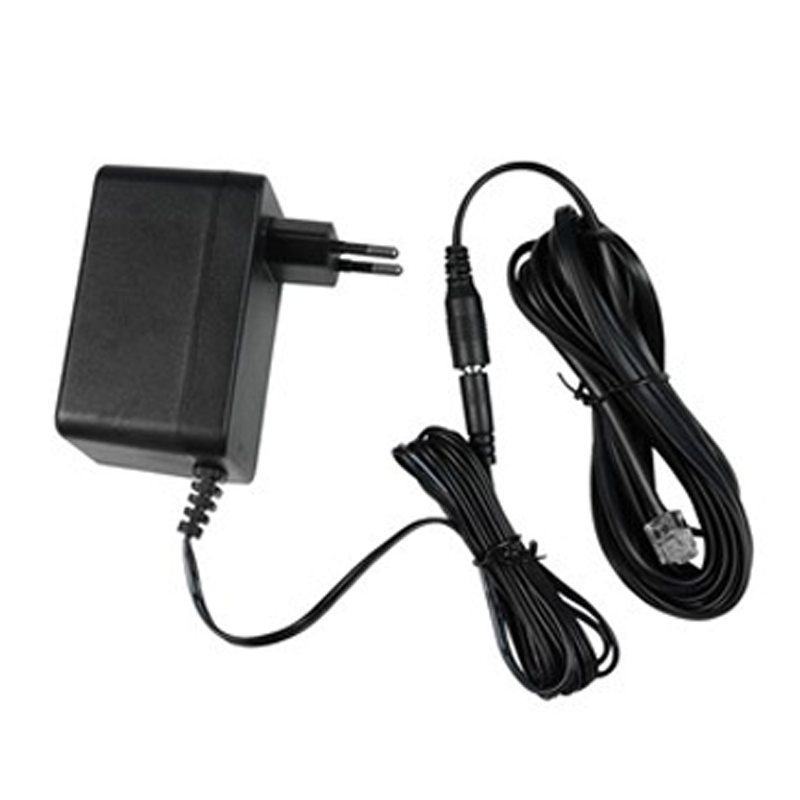 EP0299022
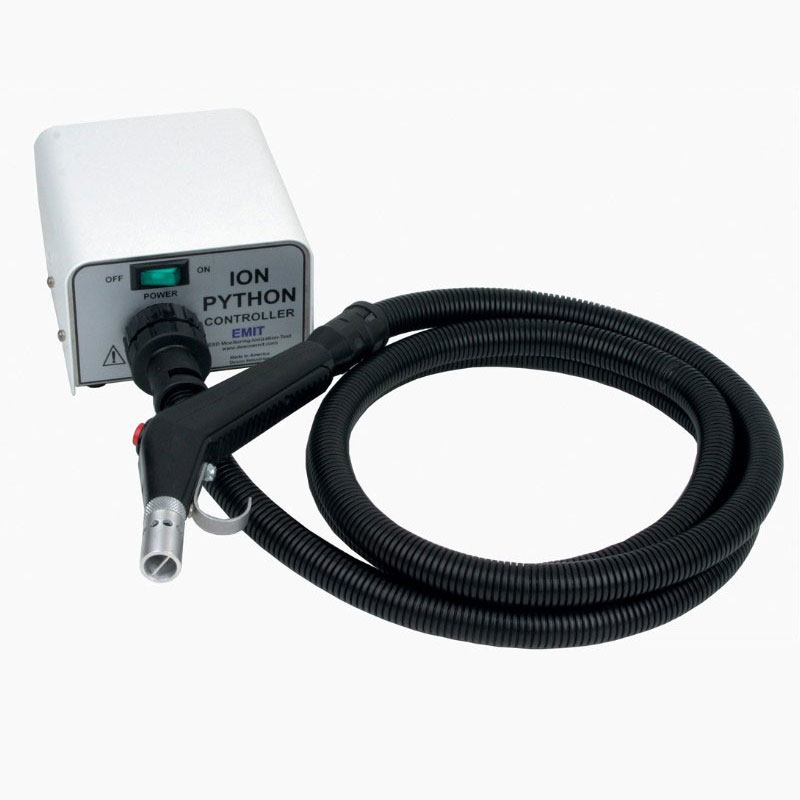 EP0403018
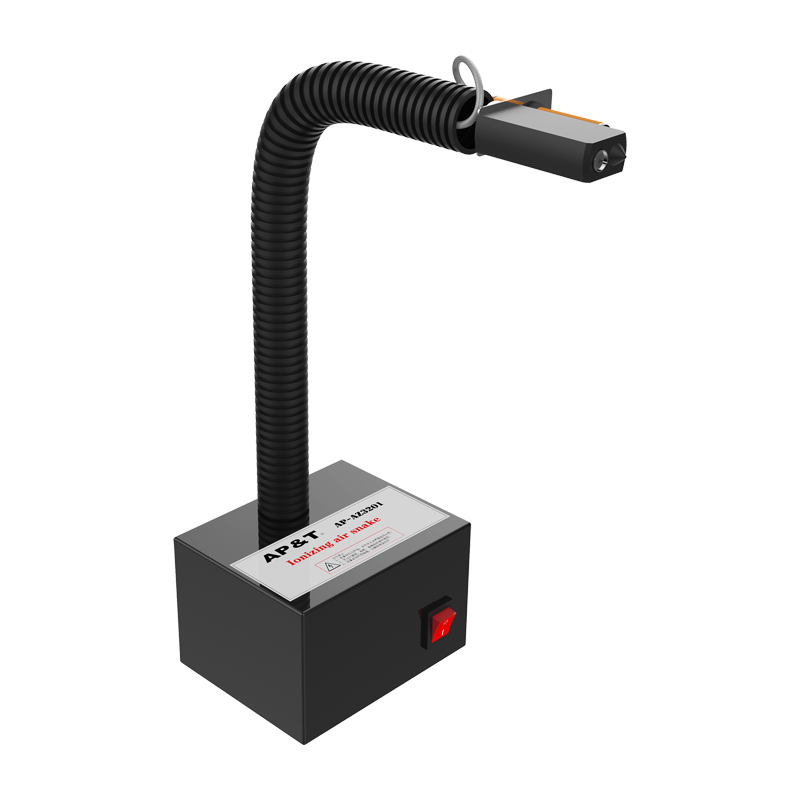 EP0401042
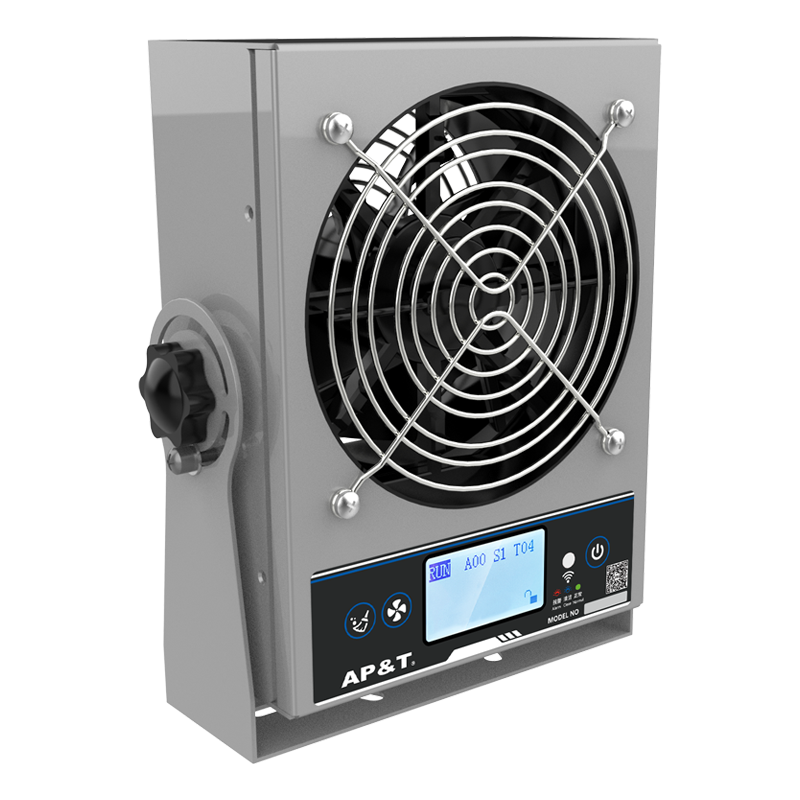 EP0401034
 EP0401021
 EP0401026
 EP0401035-VH
 EP0401023-VH
 EP0402043
 EP0499024
 EP0201082
 EP0201086
 EP0499010
Content: 20 Stck (€8.85 / 1 Stck)
 EP0402046
 EP0201028
 EP0201085
 EP0201014
 EP0201016
 EP0401002
 EP0402010-VH
 EP0499012
 EP0499025
Content: 2 Stck (€72.08 / 1 Stck)
 EP0401049
 EP0404001
Ionisers – A Brief Overview
Where are ionisers used?
Ionisers are used in many manufacturing processes to neutralise electrostatic charges in a targeted manner and to prevent disruptions in production workflows. They are particularly important in the semiconductor industry, where even the smallest discharges can damage sensitive components. In the packaging industry, they prevent the unwanted adhesion of plastic films to one another. In assembly and cleanroom processes, ionisers also ensure that dust and particles do not adhere to workpieces – for clean workflows and consistently high quality.
Find out more in our free webinar on ionisation in June – register now and secure practical insights! Further webinars on other topics can be found here.
How does an ioniser work?
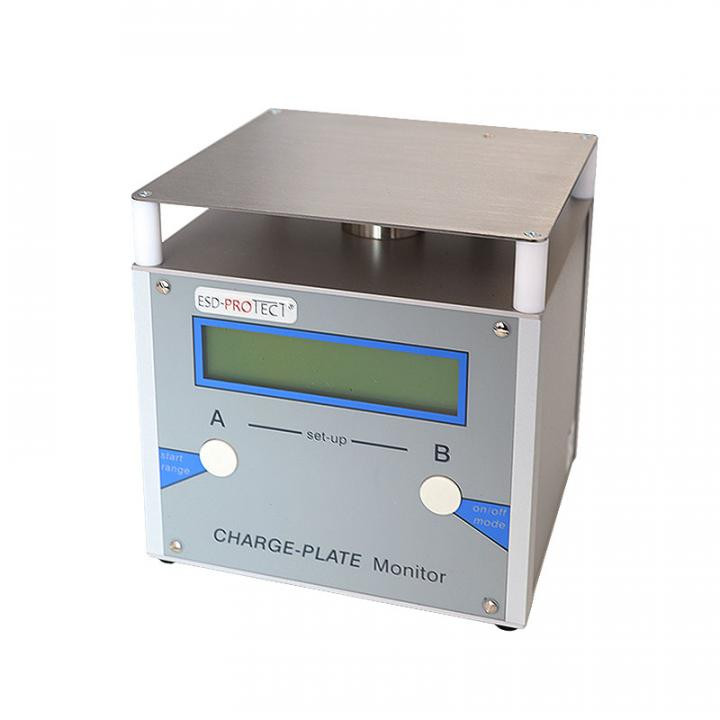
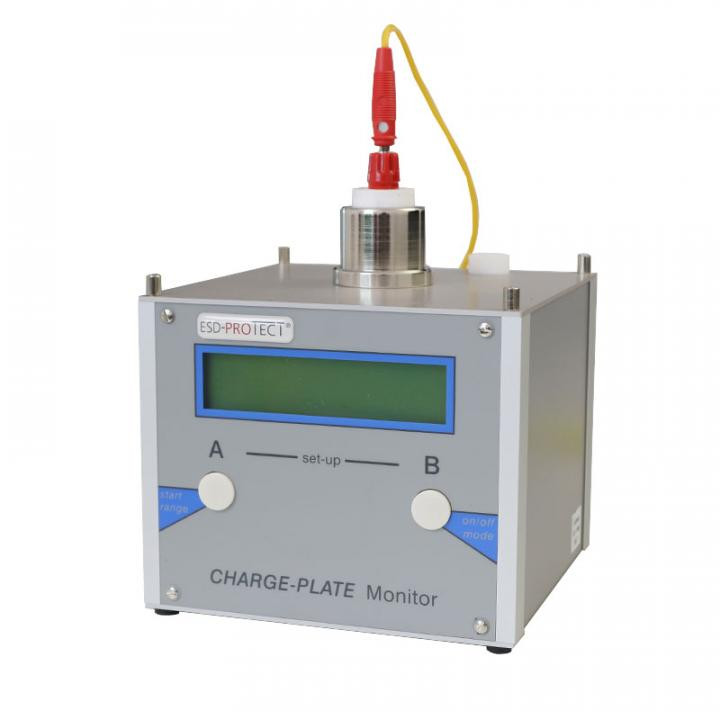
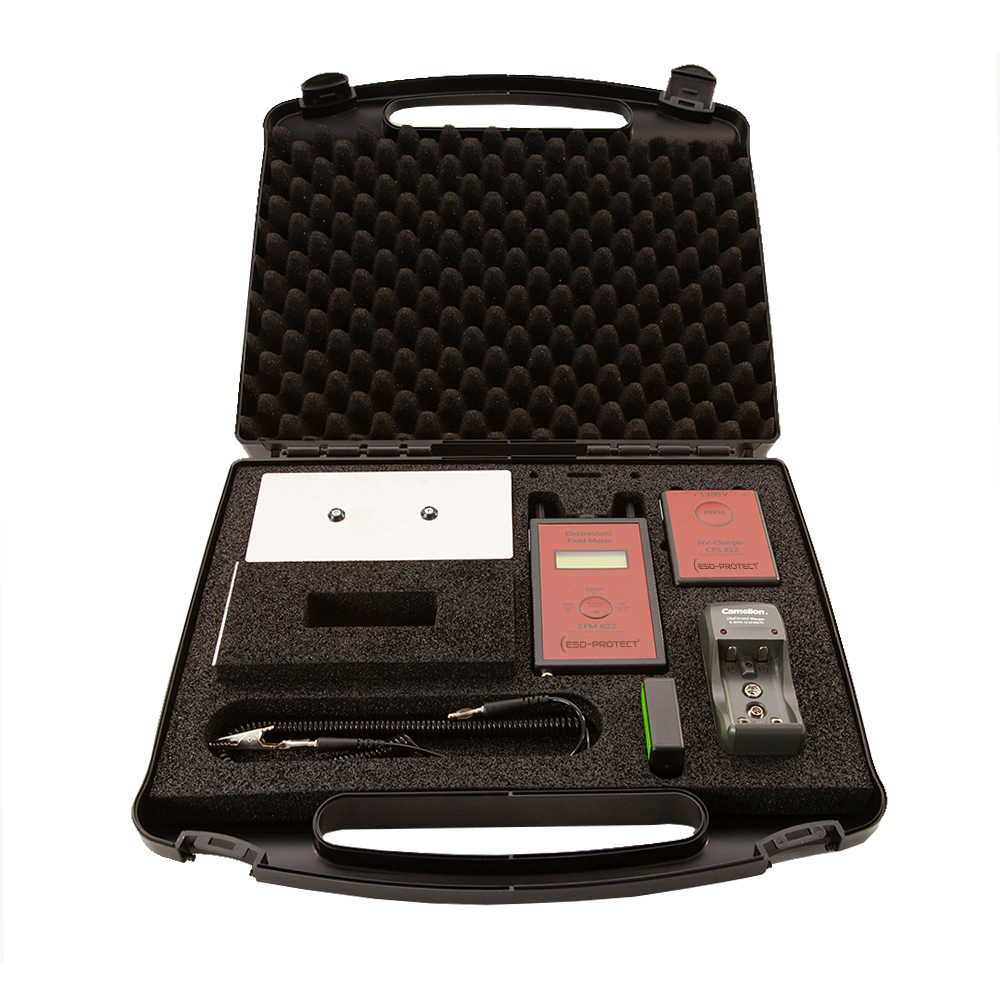
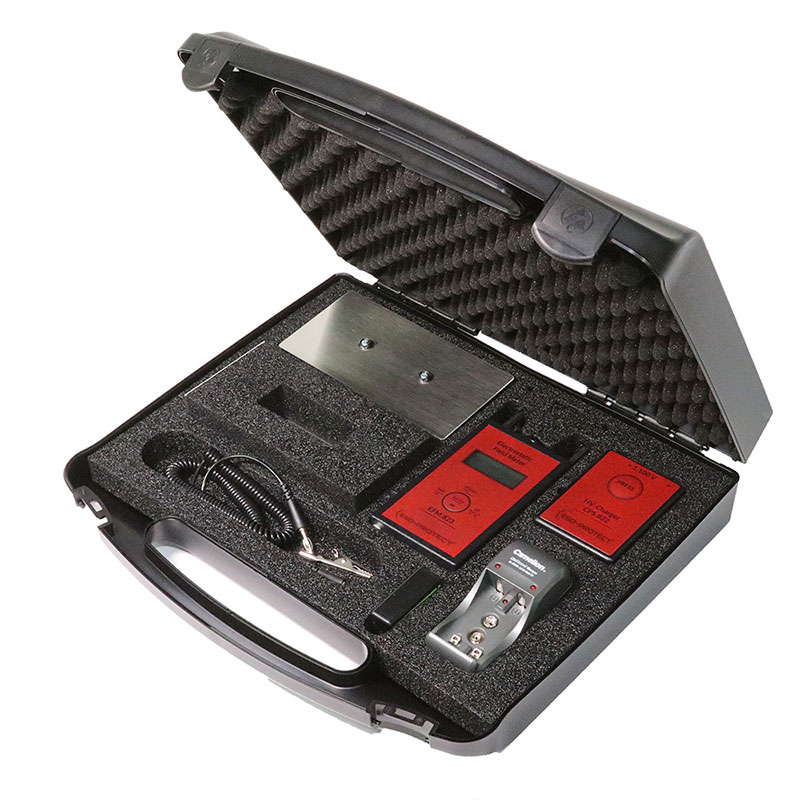
An ioniser generates a corona discharge via high voltage at emitter tips, splitting air molecules into positive and negative ions. These ions are transported in a targeted manner to the charged surface – depending on the device type, via fan, compressed air or passive diffusion. There, they neutralise the existing electrostatic charge by balancing the charge carriers on the surface with ions of opposite polarity. The result is a largely charge-free surface that can no longer cause electrostatic discharges. The quality of an ioniser is evaluated using two key parameters: offset voltage (balance) and decay time – both measurable with a Charged Plate Monitor per ANSI/ESD SP3.3.
Ionisers – Design Types and Applications
Ionisers are available in various design types, each tailored to different workstation and process requirements:
- Benchtop units (blower ionisers) – Compact ionisers for direct use at ESD workstations. Distribute ionised air evenly across the work surface.
- Overhead ionisers – For ceiling mounting above production lines or work areas. Suitable for area-wide neutralisation of larger zones.
- Compressed air ionisers – Combine ionisation with targeted compressed air jets. Ideal for cleaning and discharging components, surfaces and hard-to-reach areas.
- Ionising bars – Stationary bars for integration into production lines, conveyor belts or coating systems. Neutralise charges on passing materials.
Maintenance and Testing of Ionisers
Ionisers are subject to natural wear of the emitter tips, which impairs ionisation performance over time. Contaminated or worn emitter needles lead to uneven ion distribution and increased offset voltage. Per DIN EN 61340-5-1 and ANSI/ESD S20.20, ionisers must be tested and maintained at regular intervals. Testing is carried out using a Charged Plate Monitor (CPM), which documents offset voltage and decay time. ESD-PROTECT offers both suitable test equipment and replacement emitter tips and accessories for the common ionisers in the range.